For most of human history, the idea of an afterlife was tied to memory, storytelling, and spiritual
belief. But in the 21st century, a new kind of afterlife is emerging—one built not from myth, but
from data. As technology evolves at a breathtaking pace, we’re beginning to redefine what it means
to “live on” in the digital age.
From Social Media Footprints to Digital Legacies
Every message we send, photo we upload, or comment we leave behind becomes part of a permanent
record—our digital footprint. For years, these traces were treated as ordinary data, but companies
and researchers now recognize them as something deeper: a legacy that remains long after someone
logs off for the last time.
Platforms like Facebook and Instagram already offer memorialization options for accounts, giving
loved ones the ability to preserve or manage your digital presence in a respectful way. Email
providers and cloud services have begun implementing “inactive account managers” to pass on
control—or deletion—to trusted contacts.
In a way, the groundwork for a digital afterlife is already here.
AI Avatars and the Rise of Digital Echoes
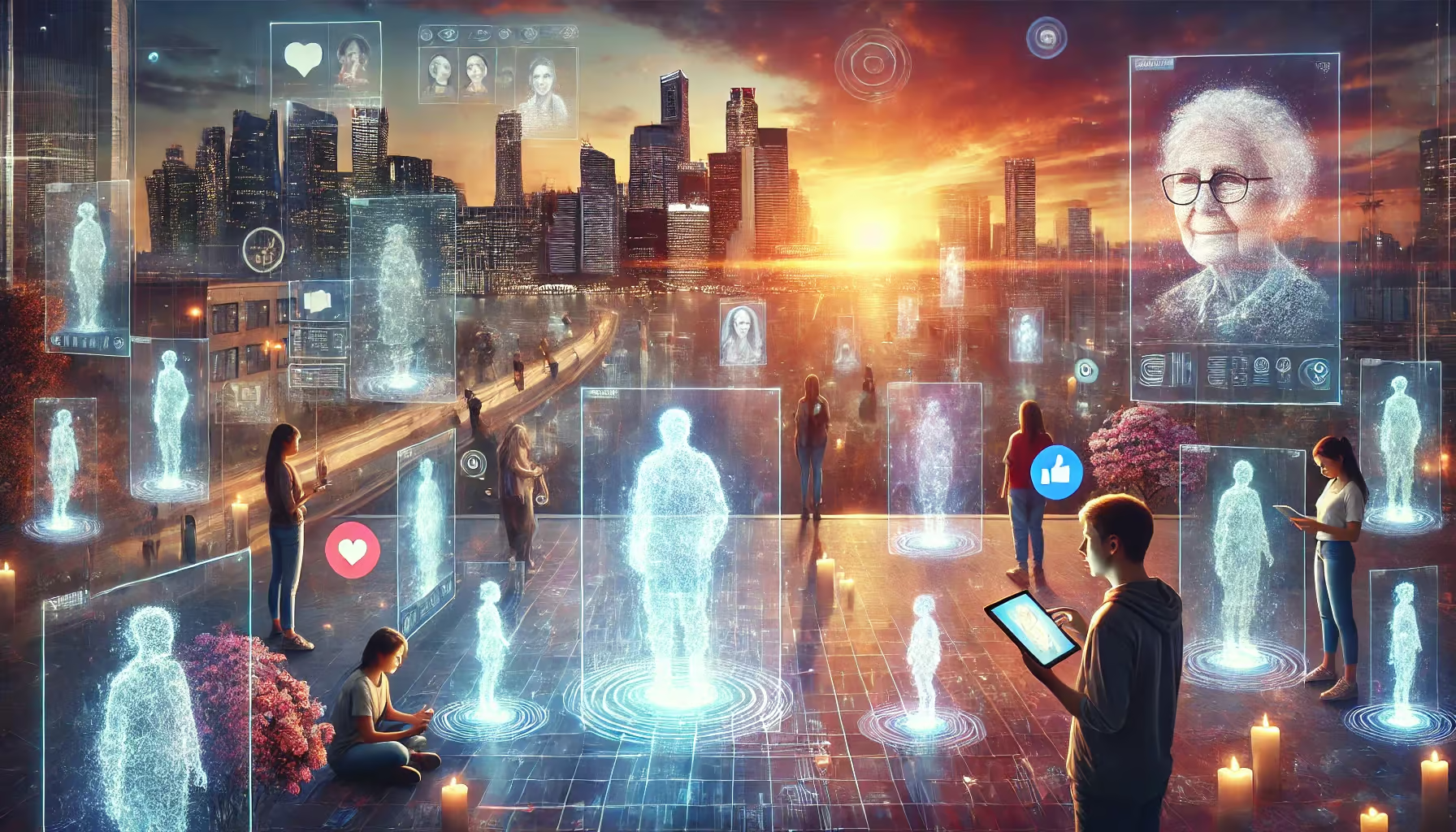
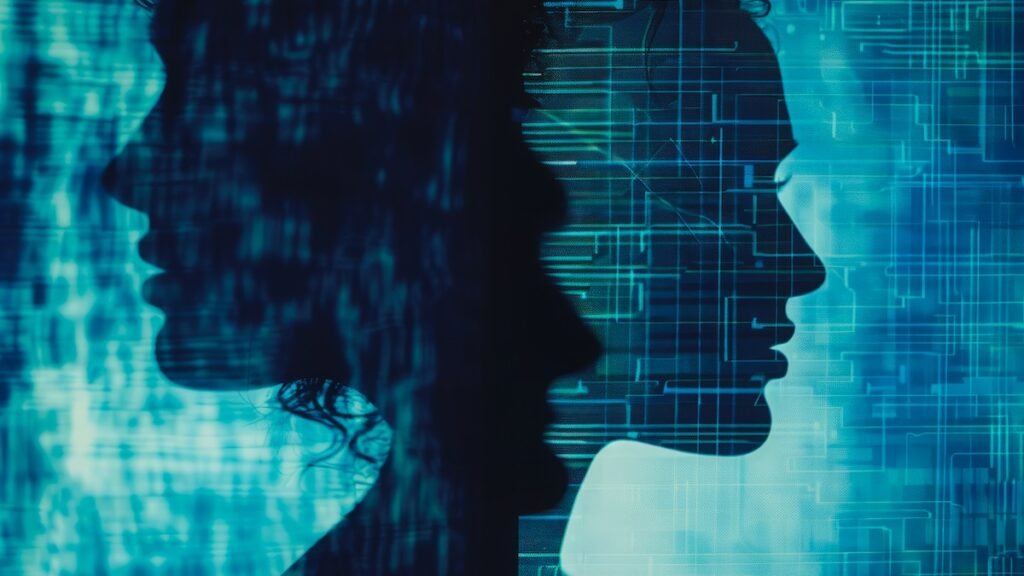
One of the most fascinating—and controversial—advancements is the creation of AI “digital clones”:
virtual representations trained on a person's text messages, emails, social media posts, and voice
recordings. These AI systems can mimic speech patterns, preferences, and even aspects of
personality. These technologies raise new possibilities—and new questions. Is it comforting or
unsettling to talk to an AI version of someone who’s gone? Does a digital clone truly represent you,
or simply replicate patterns from your past?
As the tech improves, these questions only grow more complex.
Preserving Consciousness—Science Fiction or Science?
The idea of mind-uploading has long been the domain of sci-fi, but modern neuroscience and machine
learning are bringing us closer to understanding how memories, personality, and identity work at a
structural level.
We are nowhere near uploading a human consciousness—but research into digital memory mapping, neural
data storage, and advanced brain–computer interfaces is accelerating. While immortality is not on
the table, the possibility of preserving fragments of human experience digitally is no longer
impossible to imagine.
A New Kind of Immortality
The digital afterlife isn't about replacing human existence—it’s about extending the echoes of our
lives into new forms. Future generations might learn from our stories, hear our voices, or interact
with AI-preserved versions of us in ways that were once unimaginable.
Today’s technological advances are writing the first chapters of a future where no one fully
disappears. We’re entering an age where memory, identity, and technology blend into something
entirely new—a world where our presence can outlive our physical lives, and where digital
immortality is not a fantasy, but a growing reality.


.webp)